
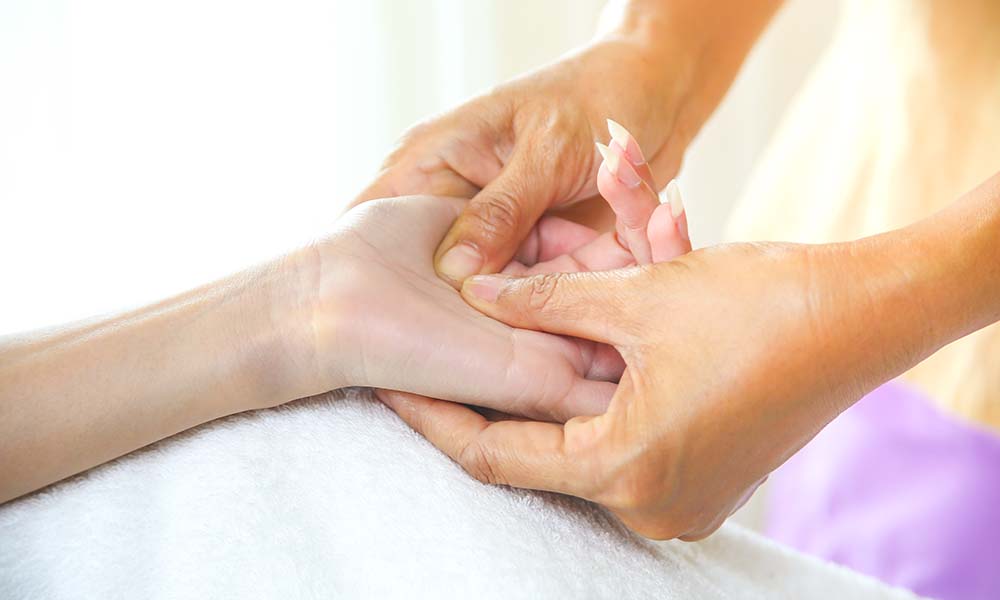
Are you feeling tense, tired, or out of balance? Acupressure might be your secret weapon.
If you’ve ever asked yourself, “What is acupressure?” or been curious about how acupressure works, you’re not alone. In today’s fast-paced world, natural healing methods are making a big comeback, and acupressure is leading the charge.
Rooted in ancient Chinese medicine, acupressure is a gentle, hands-on technique that taps into the body’s internal energy systems to support healing and overall balance. But it’s more than just a massage; there’s real science and strategy behind every press and point.
Let’s explore what it really is, how it works, and why it could be the natural solution your body’s been craving.
What Is Acupressure?
Acupressure is a therapy that involves applying firm but gentle pressure to specific points on the body, called “acupoints.” These points lie along energy pathways known as meridians, which, according to traditional Chinese medicine, influence the body’s physical and emotional health.
Think of it like acupuncture, but without the needles. Instead, fingers, palms, or even tools are used to stimulate pressure points, encouraging your body to heal and rebalance itself naturally.
How Does Acupressure Work?
Wondering exactly how acupressure works? Here’s a breakdown:
- Stimulates blood flow and circulation
- Releases muscle tension and promotes relaxation
- Encourages natural pain relief by triggering endorphins
- Supports emotional well-being by calming the nervous system
- Balances energy flow (Qi), the life force believed to sustain health
Modern science suggests that acupressure works by affecting the autonomic nervous system and reducing inflammation. When certain points are pressed, it can send signals to the brain to reduce pain perception and regulate internal functions.
Top Benefits of Acupressure
Here’s why acupressure is gaining traction across the globe:
- Relieves chronic pain (especially in the back, neck, and joints)
- Reduces stress and anxiety
- Improves sleep quality
- Eases digestive issues
- Minimizes headaches and migraines
- Boosts energy and mental clarity
Whether you’re managing stress, recovering from an injury, or just want to feel more balanced, acupressure can be a gentle yet powerful part of your wellness routine.
Common Acupressure Points and What They Help
There are hundreds of acupoints, but here are a few commonly used ones:
- LI4 (Hegu): Located between the thumb and index finger, known to reduce headaches and relieve stress.
- PC6 (Neiguan): Found on the inner wrist, it can help with nausea and anxiety.
- LV3 (Tai Chong): On the top of the foot, often used for stress and emotional imbalance.
- ST36 (Zusanli): Below the knee, believed to boost immunity and energy.
A practitioner might focus on these and others depending on your symptoms and overall goals.
Acupressure vs. Massage: What’s the Difference?
Although both involve touch and pressure, acupressure is more targeted and precise.
- Massage focuses on muscles and relaxation
- Acupressure zeroes in on energy pathways and specific health concerns
At Primal Integrative Health Group, we often combine the two for a deeply therapeutic experience.
Can You Do Acupressure at Home?
Yes! While professional treatments offer better results, at-home acupressure can still be effective, especially for headaches, anxiety, and fatigue. Using an acupressure mat, handheld tool, or simply your fingertips can give you relief on the go.
Pro Tip: Always apply gentle pressure and hold for 30 seconds to 2 minutes. Don’t press too hard, it’s not about force, it’s about precision.
Is Acupressure Right for You?
Acupressure is safe for most people and doesn’t come with the side effects of medication. However, it’s best to speak to your healthcare provider if you:
- Are pregnant
- Have a chronic health condition
- Are you taking medications for blood pressure or circulation
We offer personalized assessments at Primal Integrative Health Group to ensure treatments suit your unique needs.
Wrapping It Up
So, what is acupressure? It’s a time-tested healing practice that offers real results for real-life issues, without pills or invasive treatments.
By understanding how acupressure works and where to apply pressure, you can unlock your body’s natural healing powers.
Ready to experience the calming, balancing effects of acupressure? Book your session today with Primal Integrative Health Group and feel the difference from the very first touch.
Frequently Asked Questions
What’s the difference between acupuncture and acupressure?
Acupuncture uses needles, while acupressure uses hands or tools to apply pressure to energy points.
How many sessions of acupressure do I need?
This depends on your condition. Some people feel better after 1–2 sessions, while others benefit from ongoing care.
Can I combine acupressure with other therapies?
Yes. Acupressure works well alongside massage, chiropractic care, and holistic treatments.
Does acupressure hurt?
No, it should never be painful. You might feel slight discomfort or pressure, but not pain.
Is acupressure safe for children?
In most cases, yes. However, always consult with a qualified practitioner before starting treatment on children.