
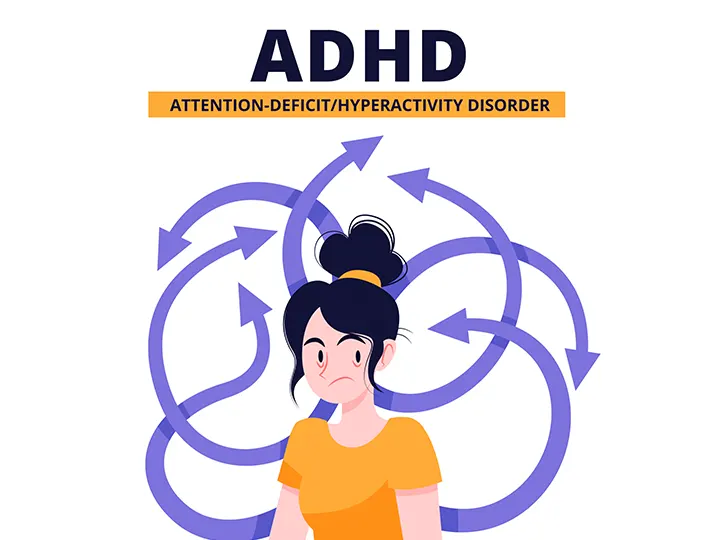
Constantly distracted, overwhelmed, or struggling to focus?
If your brain jumps from idea to idea, deadlines sneak up on you, or you feel like you're always “behind”, you might wonder: Do I have ADHD?
Attention-Deficit/Hyperactivity Disorder, or ADHD, affects people of all ages, and it’s not just about being hyper. It’s a real, brain-based condition that affects how you focus, plan, organize, and regulate emotions.
Let’s explore what ADHD is, what causes it, and how to know if it could be affecting your daily life.
What Is ADHD?
ADHD is a neurodevelopmental condition that impacts the brain’s executive functioning, including attention, memory, planning, and impulse control.
It typically appears in childhood, but many people don’t get diagnosed until adulthood, especially if they don’t show the “hyperactive” type.
There are three primary types:
- Inattentive type (often daydreamy, forgetful, distracted)
- Hyperactive-impulsive type (fidgety, talkative, impulsive)
- Combined type (both inattentive and hyperactive traits)
What Causes ADHD?
There isn’t a single cause of ADHD, but research points to a combination of genetic, neurological, and environmental factors:
- Genetics: ADHD often runs in families.
- Brain structure & function: People with ADHD may have different activity levels in brain areas that control attention and behavior.
- Prenatal factors: Exposure to tobacco, alcohol, or stress during pregnancy may increase risk.
- Environmental stressors: Trauma, lead exposure, or early childhood adversity can influence symptoms.
ADHD isn’t caused by poor parenting, too much screen time, or laziness; it’s a brain-based condition.
What Are Common ADHD Symptoms?
ADHD symptoms show up differently in children and adults. Here’s what to look for:
In Kids:
- Trouble sitting still
- Interrupting others often
- Struggling to follow directions
- Forgetting homework or losing things
- Making careless mistakes
- Emotional outbursts
In Teens and Adults:
- Chronic disorganization
- Poor time management
- Trouble prioritizing or finishing tasks
- Easily distracted or forgetful
- Difficulty regulating emotions (frustration, anger, overwhelm)
- Constant mental chatter or “brain fog”
Many adults don’t realize they have ADHD until work, parenting, or relationships begin to suffer, and they finally connect the dots.
How Do I Know If I Have ADHD?
If you relate to several of the symptoms above and they’ve been present since childhood or early adolescence, it’s worth getting assessed.
Here’s what you can do:
- Take a self-screening quiz (not diagnostic, but helpful)
- Reflect on how these patterns affect your life
- Talk to a licensed provider about a full ADHD evaluation
At Primal Integrative Health Group, we support clients in navigating this process, including screening, referrals, and integrative support.
ADHD in Adults: Often Misunderstood
ADHD in adults can be overlooked or mislabeled as:
- Anxiety
- Depression
- Burnout
- Mood disorders
That’s because many people with ADHD develop coping strategies that mask the symptoms, until stress piles up and those strategies stop working.
Getting an accurate diagnosis is the first step to better self-understanding and support.
Can ADHD Be Treated?
Absolutely. ADHD isn’t curable, but with the right approach, it’s very manageable.
Treatment options include:
1. Lifestyle & Behavior Support
- Routine-building strategies
- Time-blocking or productivity tools
- Coaching for executive functioning
- Nervous system regulation
2. Nutrition & Supplementation
- Omega-3s, magnesium, zinc
- Blood sugar and gut-brain balance
- Anti-inflammatory eating
3. Mental Health Support
- Therapy (especially CBT)
- Mindfulness and breathwork
- Emotional regulation techniques
4. Medication (if needed)
Stimulants or non-stimulants may be helpful for some. At Primal Integrative Health Group, we support clients with or without medication using a whole-body approach.
Wondering If You Might Have ADHD?
If you’re struggling to focus, organize, or manage your emotions, it’s not because you’re lazy, broken, or “too much.” Your brain might just be wired differently.
And that’s okay.
At Primal Integrative Health Group, we help you understand your brain, support your nervous system, and build strategies that actually work for you.
Book a mental wellness consult today and find out what’s really going on, clarity is closer than you think.
Frequently Asked Questions
Is ADHD real or just a label?
ADHD is a legitimate, brain-based condition backed by decades of research. It affects attention, behavior, and emotional regulation.
Can ADHD develop in adulthood?
ADHD begins in childhood, but many people aren’t diagnosed until later in life, especially if symptoms were masked or misunderstood.
Does ADHD always mean hyperactivity?
No. Many people (especially women and adults) have inattentive ADHD, which involves distraction, forgetfulness, and disorganization, not hyperactivity.
Can food and lifestyle help with ADHD symptoms?
Yes. Supporting brain health through nutrition, sleep, stress reduction, and movement can improve focus and emotional balance.
What’s the first step to finding out if I have ADHD?
Start by tracking your symptoms and how they affect daily life. Then speak with a healthcare provider for an evaluation or referral.